Disclosure: this article contains affiliate links. If you sign up through them, I may earn a commission at no extra cost to you.
A marketing automation only helps while someone remembers to check it. That is the problem behind many “set it and forget it” promises. A welcome sequence can keep sending an outdated offer. A strong content theme can fade without anyone noticing. A small issue can become a months-long blind spot because it did not feel urgent on any one day.
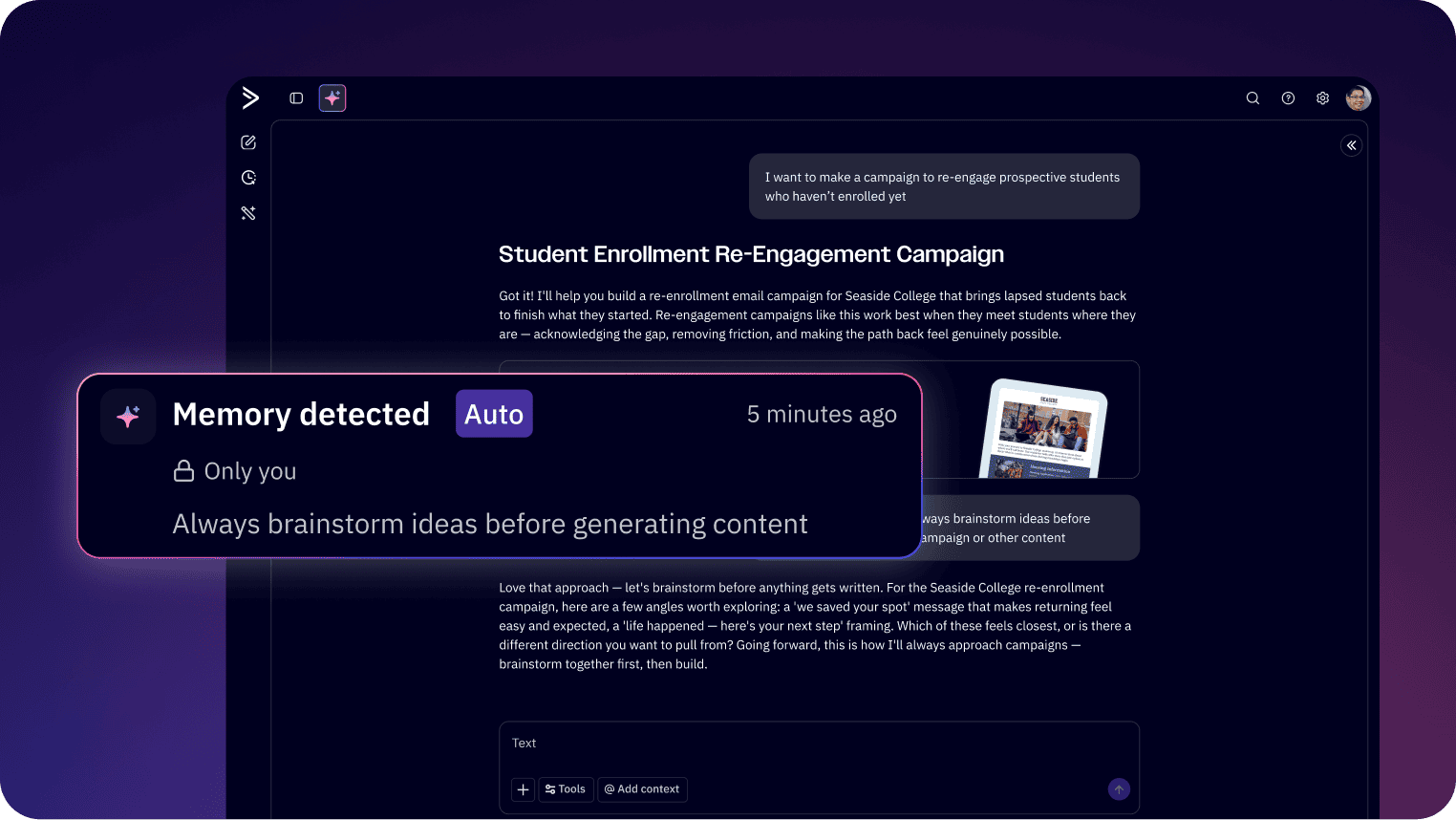
Active Intelligence 3.0: Wavelength is built around a different idea: use the account context to surface a useful action before the marketer goes searching for it. The practical question is not whether AI can write an email. It is whether it can help you run a calmer, more deliberate marketing operating rhythm.
A practical Wavelength workflow for a small team
This is not a promise that every account will see every capability in exactly the same place. Availability varies by account and capability. The current Wavelength release notes are the best starting point for checking what is currently available. It is a practical way to think about the features that make Wavelength distinct: Adaptive memory, Proactive drafts and ideas, Automation Insights and Automation Health, Content performance, External signals, and Scheduled Tasks.
| Step | Named Wavelength capability | The human job |
|---|---|---|
| 1. Establish useful context | Adaptive memory | Make sure brand voice, offers, audience and current priorities are represented honestly |
| 2. Review what needs attention | Automation Insights / Automation Health | Decide whether a workflow is broken, stale, or simply not important |
| 3. Turn a signal into a campaign starting point | Proactive drafts and ideas | Edit the angle, proof, CTA and audience before sending |
| 4. Use outside context selectively | External signals | Reject noise and only act when it connects to a real customer need |
| 5. Create a rhythm | Scheduled Tasks and Content performance | Review performance at a sustainable cadence and choose one next action |
Step 1: Give the system something real to work with
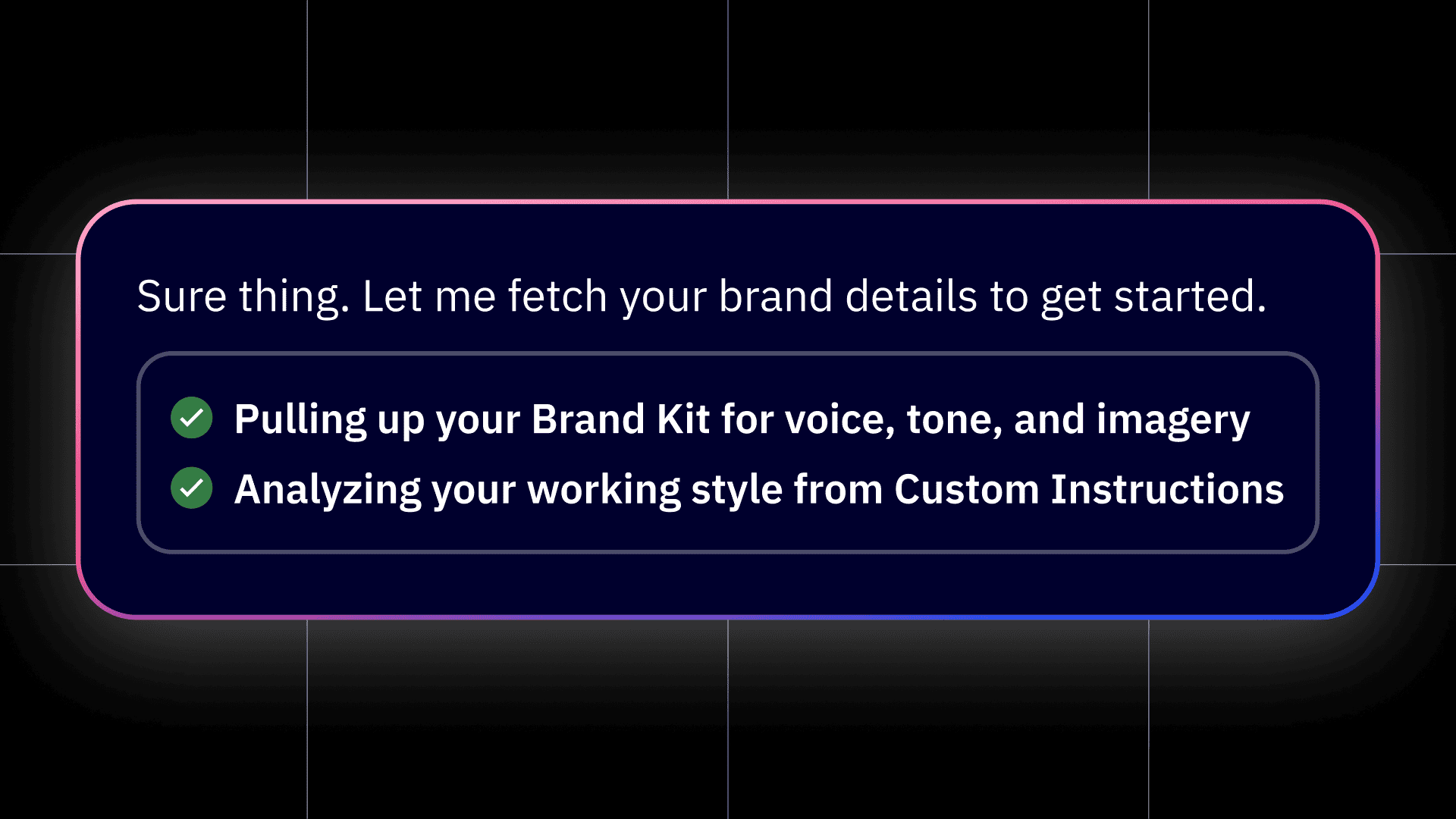
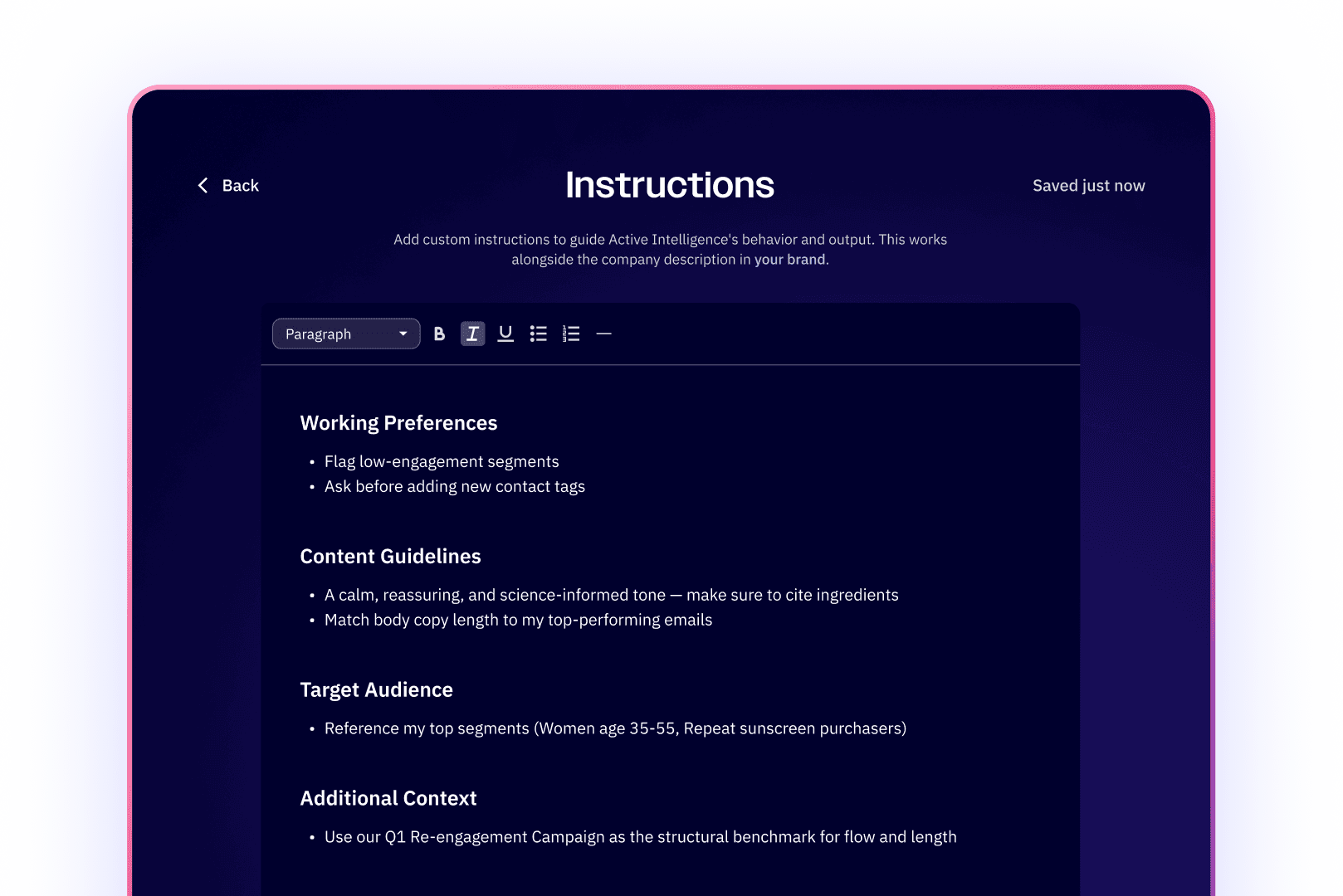
The most useful AI marketing outputs do not begin with clever prompting. They begin with good source material. That includes a clear description of the audience, what the business sells, examples of messages that sound like the brand, active offers, and the customer questions that matter. If this material is vague, the results will be vague too.
This is where Adaptive memory matters. Instead of treating every campaign request like a disconnected writing job, the account can build from what it has learned. A human should still check whether the remembered context is current. An old product promise or abandoned campaign can become misleading context if nobody maintains it.
Step 2: Review automation health before inventing new work
Small businesses often focus on the next campaign because it feels productive. A better first move is sometimes checking the workflows that already exist. Is the welcome sequence still aligned with the offer? Does an automation point to an expired resource? Are contacts entering the right path? Is the message frequency still appropriate?
Automation Insights and Automation Health are valuable if they help direct attention to those questions. The goal is not to create more dashboards. It is to prevent a live automation from becoming invisible just because it is technically switched on.
Step 3: Use proactive drafts as a starting point, not an approval stamp
A proactive campaign draft is most useful when it gives you a head start on a decision you were already likely to make. Imagine an account has a repeatable promotion, a consistent audience, and enough campaign history to identify a sensible angle. A draft can save the blank-page moment. It still needs an editor to check the offer, remove generic phrases, add actual proof, and decide whether the timing is right.
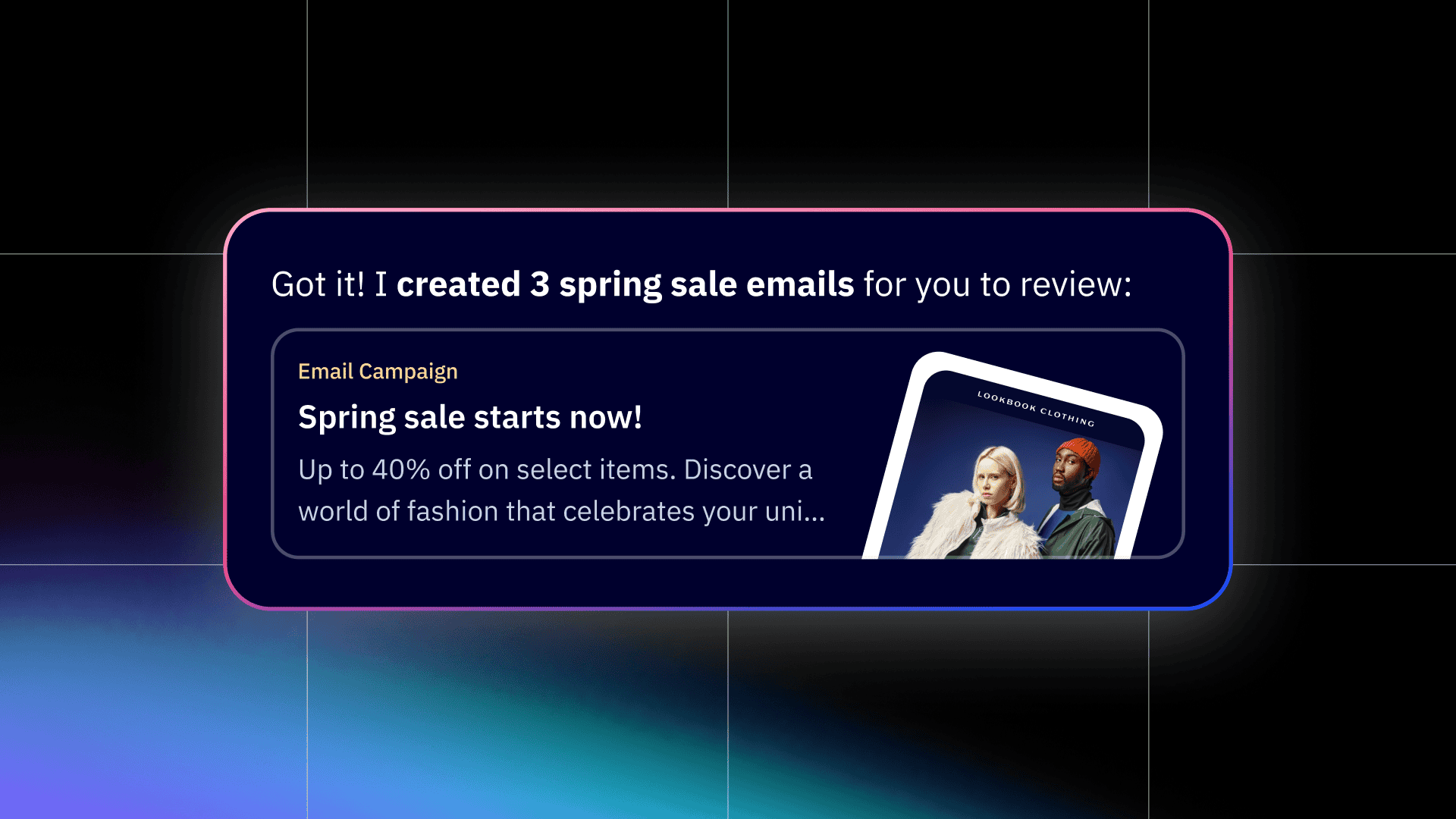
My rule would be simple: do not ask “Can I send this?” Ask “What does this draft know about my business that I would otherwise have had to reconstruct?” If the answer is nothing, it is generic AI. If the answer is that it reflects the audience, message history, and current objective, it may be a useful starting point.
Step 4: Treat external signals as prompts for judgement
External signals can be helpful for a business that wants to respond to relevant changes without living in a dozen tabs. But the trap is obvious: marketers can turn every competitor move, trend, and headline into a reason to interrupt their customers. Better marketing does not mean sending more email because the internet produced more noise.
Use external context as a question generator. Does this change affect our buyers? Is there a genuinely useful explanation we can offer? Does it strengthen an existing campaign or content theme? If the answer is no, ignore it. A good system should make it easier to say no as well as easier to act.
Step 5: Schedule a small, repeatable review rhythm
The best automation routine is one your team will actually keep. A founder might choose one weekly check-in: review automation health, scan the account’s performance context, select one draft or idea worth editing, and leave the rest alone. Scheduled Tasks make sense when they help turn that rhythm into a repeatable habit rather than another thing to remember.
What not to hand over to AI
- Final claims. A marketer should verify pricing, availability, product claims, and legal-sensitive language before anything is sent.
- Brand judgement. A model can imitate a style. It cannot fully own the consequences of a confusing promise or poorly timed message.
- Customer empathy. Segmentation and performance context help, but a human still needs to decide whether a message is useful to the person receiving it.
- Strategic priority. The account may surface several possible actions. The business has to choose the one that fits the current goal.
Who will get the most from this approach?
This workflow suits businesses that have enough real marketing activity for account context to be meaningful: a few active automations, a recognisable brand voice, campaign history, and a clear customer or lead journey. It may be especially useful for founders and small teams who cannot spend every day auditing email operations but do not want to discover problems months later.
It is not a substitute for a product people want, a permission-based list, or a coherent offer. Wavelength can make a good system more attentive. It cannot rescue a business that has nothing clear to say.
The takeaway
The most promising part of Active Intelligence 3.0: Wavelength is not “AI writes faster.” It is the possibility of a marketing system that remembers enough, monitors enough, and prepares enough that a human spends more time making decisions and less time rebuilding context. Start small: one real workflow, one review cadence, one draft you edit carefully, and one question about whether the result is actually more useful to the reader or customer.
Frequently asked questions
What is the safest first Wavelength workflow to try?
Choose one existing welcome or nurture automation and use the available account context to review its goal, current message, and next improvement. Send a test email before changing anything live.
Does Wavelength replace an email marketer?
No. It can reduce the effort of finding and preparing work, but a marketer still needs to supply strategy, accurate source material, customer understanding, and final approval.
Do I need every Wavelength capability to use this approach?
No. Start with the capabilities visible in your account. The useful principle is context plus review, not forcing a workflow around features you do not have.